What future do we want? With Derk Loorbach.
Some people view switching from a petrol-powered car to an electric vehicle as a transition. However, that’s only a small piece of the puzzle in a much larger picture, that of the energy transition. This transition centres on the transition from the use of fossil energy (from coal, natural gas and oil, for example) to energy from renewable sources (such as solar and wind).
That should remind you of the desirable future that came up earlier in the course.
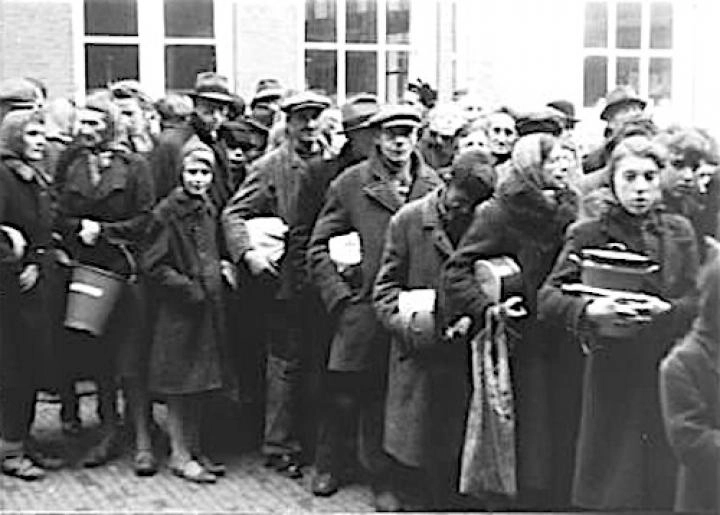
There were shortages for a long time after World War II, and everyone can remember the scarcity of food. The goal is to increase food production to ensure that hunger is never an issue again. Additionally, it’s good for the economy.
The Netherlands gets funding and new techniques from the United States to enable large-scale agriculture. New machines are introduced in agriculture, and fields are combined to create larger areas of land for cultivation.
We are several generations further along, and it’s becoming apparent that the current system is unsustainable. Now, industrial food production and large-scale farms are available. The connection between agriculture and its effect on nature and biodiversity is proving difficult to manage.
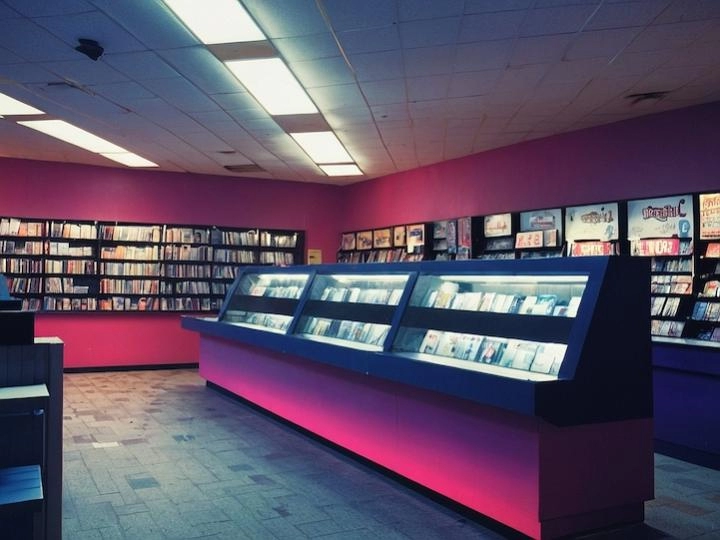
Is an ongoing process of innovation in which successful applications of new technologies replace old ones. Consider the rise of online streaming platforms, including Netflix, HBO, and Videoland. They allow you to watch movies, programmes, and series whenever and wherever you want. Most video stores didn’t survive this development. And you don't even need a TV anymore; a smartphone, tablet, or laptop works just fine as well.
The concept of the commons can also be applied to work toward a sustainable agricultural system by collaborating on solutions for agriculture, for example. It’s not about profit and private property, but rather a piece of land managed by the community.
This chapter covered the following: